
Let’s Talk About Creatine (Yes, It’s for Women Too)
No, It Won’t Make You “Bulky”—But It Might Make You Feel Amazing
Creatine has been a go-to supplement for athletes, gym lovers, and bodybuilders for decades. It’s one of the most researched supplements on the market, and studies consistently back up its benefits and safety.
So why does creatine still carry this “just for dudes” stigma? Probably because it’s been hyped for years by jacked guys in supplement ads. But let’s be real. Creatine isn’t just for men. Women benefit from it too. In fact, we might need it even more.
Let’s get into it.
What Is Creatine?
Creatine is a natural compound your body makes using amino acids like arginine and glycine. It’s also found in high-protein foods like red meat, chicken, and fish. Its biggest job is helping your body produce ATP, the main energy source for your cells.
Creatine also supports hydration inside your cells, which helps your muscles work better and recover faster.
Why Women Should Consider Creatine
Here’s the deal. Women typically have 70 to 80 percent less stored creatine than men. We also tend to eat less of it in our diets. That means we’re starting behind when it comes to reaping the benefits.
If you want more energy, better performance, and support for your brain and bones, creatine is one of the easiest ways to get there. And it’s affordable.
What Creatine Can Do for Women
Supports Performance and Muscle Building
Creatine’s main claim to fame is that it helps with exercise performance and building lean muscle. Most of the early studies focused on men, but more recent research has confirmed that women also see strength and performance gains with creatine, especially when combined with resistance training. This includes both premenopausal and postmenopausal women [4, 5, 6].
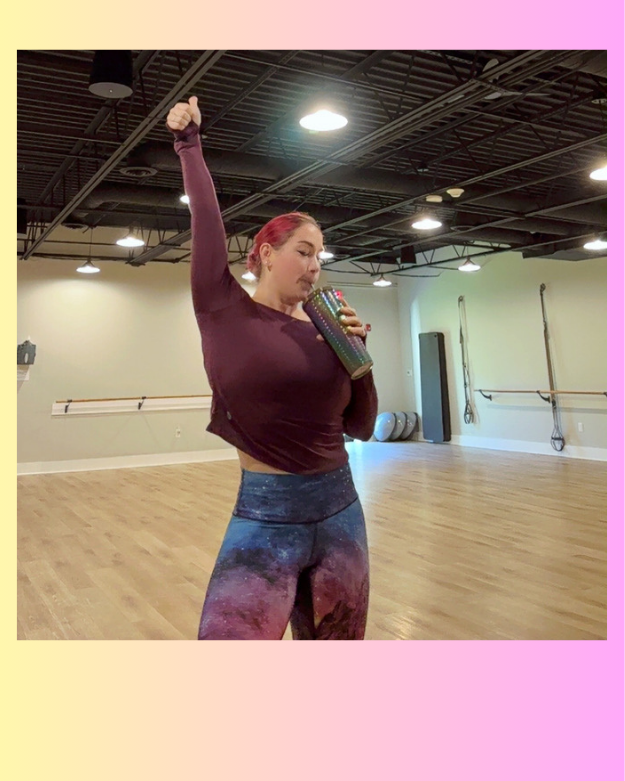
On a personal note: I started taking creatine three months ago. I didn’t change my workouts or diet—just added it to my daily routine. Since then, I’ve seen visible definition in my arms, shoulders, calves, and back. My recovery time is shorter, and my energy is noticeably better, even on days I don’t train. I’m not a bodybuilder. I’m a mom, a business owner, and a fitness instructor who needed something simple that worked—and this works.
May Help with Reproductive Health
Newer research shows that women who get more creatine from their diet have fewer reproductive health issues. A daily intake of around 1 gram (which is easy to hit with supplementation) may reduce the risk of irregular cycles and certain pelvic conditions [7].
So even if you’re not chasing PRs, there are reasons to add creatine to your routine.
Boosts Brain Power
The brain is tiny in size but massive in energy needs. It uses about 20 percent of your body’s energy. Creatine supports brain energy, which means better recall, faster reaction time, and improved memory [8, 9, 10].
If you’re low on sleep or mentally fried, creatine might help you stay sharper and more focused [11].
Helps with Mood and Mental Health
Mood and motivation are tied closely to how your brain manages energy. Creatine helps restore that balance. It’s been linked to improved mood and may even enhance the effects of antidepressants [12, 13]. Some studies suggest these benefits could be even stronger for women.
Supports Bone Health
Bone density declines as we age, especially after menopause (or perimopause, my friends who are there). Creatine, combined with resistance training, has been shown to help maintain or improve bone density in postmenopausal women [14]. It’s a simple addition that can make a real impact on long-term health.
How to Use Creatine
You’ve probably heard about “loading” creatine by taking 20 grams a day for a week. That works, but it’s not necessary. A simple daily dose of 5 grams gets the job done and avoids any stomach issues or short-term water weight changes. Honestly, you are more likely to get water weight gain if you do this.
When to Take It
Timing isn’t that important. What matters most is that you take it consistently. Morning, post-workout, evening. It’s up to you. Just make it part of your routine. I take mine in the morning before my coffee with my other supplements.
And if you don’t love powders? Try [Noavii Creatine Monohydrate Gummies]. They’re a great option if you want something easy and tasty.

For those who can handle an unflavored powder, Ghost (as usual) has a top-notch version: GHOST Basics Creatine Monohydrate Powder

Or, if you’re more of a flavored powder person to mix in your Stanley, I recommend [Peach Perfect Creatine Collagen, BCAA, Vegan Monohydrate Micronized Powder]. Ignore the name—it’s good stuff and blends well. Pink lemonade is my favorite.

Quick Heads-Up on Water Weight
Some people, especially men, experience a bit of water retention when they first start using creatine. That’s just your cells holding more water and it’s temporary. If you stick to a steady 5 grams a day without loading, you’ll likely skip that altogether.
Final Thoughts
Creatine is one of the most well-researched and effective supplements you can take. It helps with strength, brain function, mood, and bone health. It’s not just for lifters or pro athletes—it’s for anyone who wants to feel and perform better.
I’m three months in, and I’m not looking back.
The receipts, because I like science:
References
- Kreider RB, Kalman DS, Antonio J, et al. (2017). International Society of Sports Nutrition position stand: safety and efficacy of creatine supplementation in exercise, sport, and medicine. Journal of the International Society of Sports Nutrition, 14:18. https://doi.org/10.1186/s12970-017-0173-z
- Dean PJ, Arikan G, Opitz B, Sterr A. (2017). Potential for use of creatine supplementation following mild traumatic brain injury. Concussion, 2(2):CNC34. https://doi.org/10.2217/cnc-2016-0016
- Brosnan JT, Brosnan ME. (2007). Creatine: endogenous metabolite, dietary, and therapeutic supplement. Annual Review of Nutrition, 27:241–261. https://doi.org/10.1146/annurev.nutr.27.061406.093621
- Volek JS, Rawson ES. (2004). Scientific basis and practical aspects of creatine supplementation for athletes. Nutrition, 20(7–8):609–614. https://doi.org/10.1016/j.nut.2004.04.014
- Williams T, Walz E, Lane AR, et al. (2015). The effect of estrogen on muscle damage biomarkers following prolonged aerobic exercise in eumenorrheic women. Biology of Sport, 32(3):193–198. https://doi.org/10.5604/20831862.1150302
- Chilibeck PD, Candow DG, Gordon JJ, et al. (2023). A 2-year randomized controlled trial on creatine supplementation during exercise for postmenopausal bone health. Medicine & Science in Sports & Exercise, 55(10):1750–1760. https://doi.org/10.1249/MSS.0000000000003202
- Ostojic SM, Stea TH, Ellery SJ, Smith-Ryan AE. (2024). Association between dietary intake of creatine and female reproductive health: Evidence from NHANES 2017–2020. Food Science & Nutrition, 12(7):4893–4898. https://doi.org/10.1002/fsn3.4135
- Turner CE, Byblow WD, Gant N. (2015). Creatine supplementation enhances corticomotor excitability and cognitive performance during oxygen deprivation. Journal of Neuroscience, 35(5):1773–1780. https://doi.org/10.1523/JNEUROSCI.3113-14.2015
- Gualano B, Artioli GG, Poortmans JR, et al. (2009). Exploring the therapeutic role of creatine supplementation. Amino Acids, 38:31–44. https://doi.org/10.1007/s00726-009-0263-6
- Dworak M, McCarley RW, Kim T, et al. (2010). Sleep and brain energy levels: ATP changes during sleep. Journal of Neuroscience, 30(26):9007–9016. https://doi.org/10.1523/JNEUROSCI.1423-10.2010
- McMorris T, Harris RC, Howard AN, et al. (2007). Creatine supplementation, sleep deprivation, cortisol, melatonin and behavior. Physiology & Behavior, 90(1):21–28. https://doi.org/10.1016/j.physbeh.2006.08.024
- Smith-Ryan AE, Cabre HE, Eckerson JM, Candow DG. (2021). Creatine supplementation in women’s health: A lifespan perspective. Nutrients, 13(3):877. https://doi.org/10.3390/nu13030877
- Bakian AV, Huber RS, Scholl L, et al. (2020). Dietary creatine intake and depression risk among U.S. adults. Translational Psychiatry, 10(1):52. https://doi.org/10.1038/s41398-020-0741-x
- Chilibeck PD, Candow DG, Landeryou T, et al. (2015). Effects of creatine and resistance training on bone health in postmenopausal women. Medicine & Science in Sports & Exercise, 47(7):1587–1595. https://doi.org/10.1249/MSS.0000000000000571
- Sobolewski EJ, Thompson BJ, Smith AE, Ryan ED. (2011). The physiological effects of creatine supplementation on hydration: A review. American Journal of Lifestyle Medicine, 5(4):320–327. https://doi.org/10.1177/1559827611406071
Disclosure: Some of the links included on this website are affiliate links, meaning that at no additional cost to you, I will receive a commission if you click through and make a purchase. I would not link items here unless I thought they were good products. Read our full affiliate disclosure here.